

Honest sourcing
Where our caviar actually comes from.
No mystique, no vague "imported" label — just farmed sturgeon, named by species.
Where is our caviar farmed?
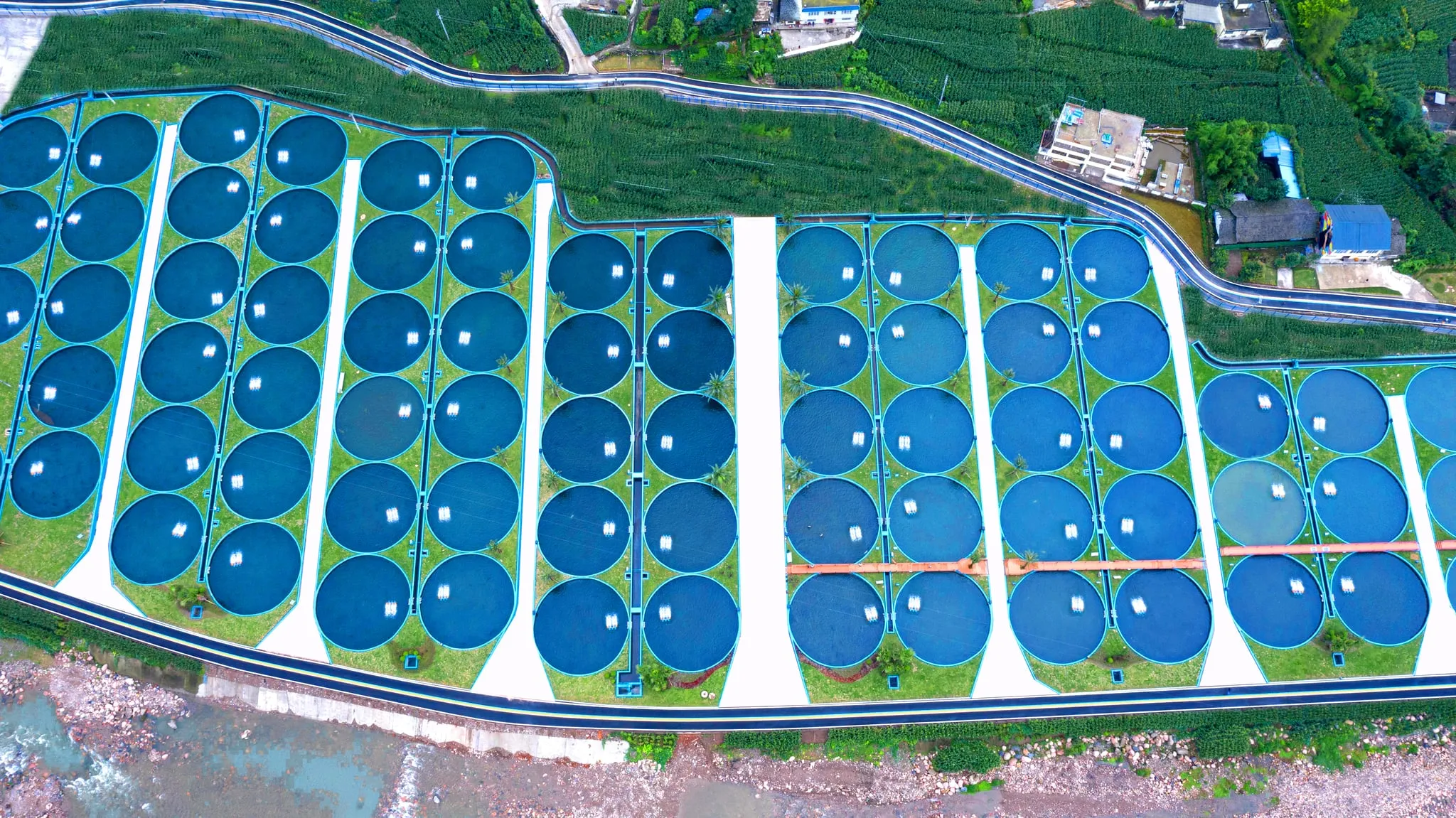
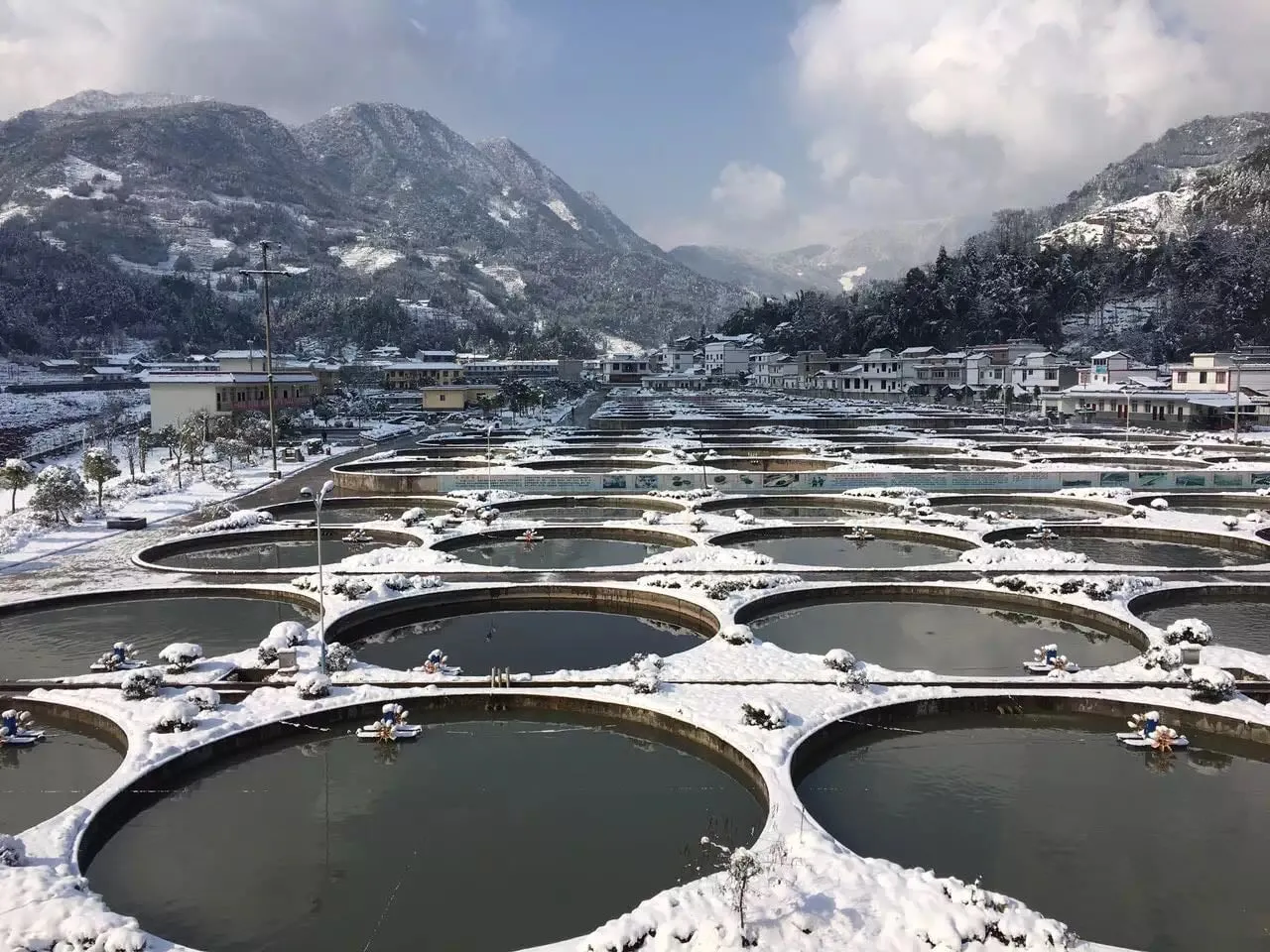
Our caviar comes from a partner group of sturgeon farms in south-west China, centred on the narrow mountain valleys of Sichuan, with sister bases in Gansu and Chongqing — eleven farm sites in all. The tanks sit on the valley floor beside the river, and the water that feeds them starts as high-mountain snowmelt: clean, oxygen-rich, and cold the whole year round. Sturgeon are cold-water fish; this is exactly the water they want.
We name the place because it's true, and because it matters: China now farms more caviar than any other country, and much of the best of it is packed for labels elsewhere. Our partner has raised sturgeon in these valleys since 2006. We'd rather show you the valley than hide it behind an "imported" sticker.
How is the caviar raised?
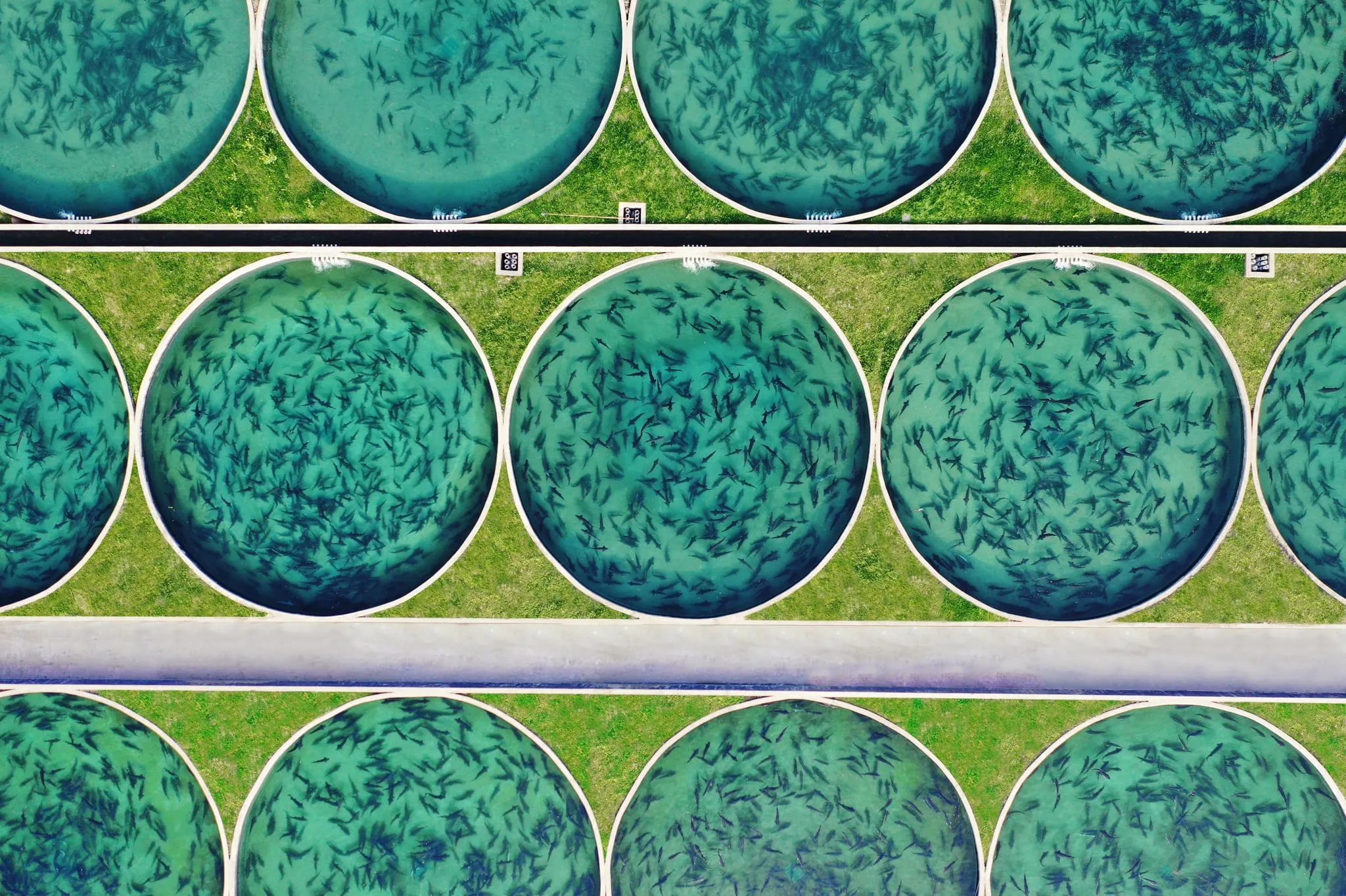
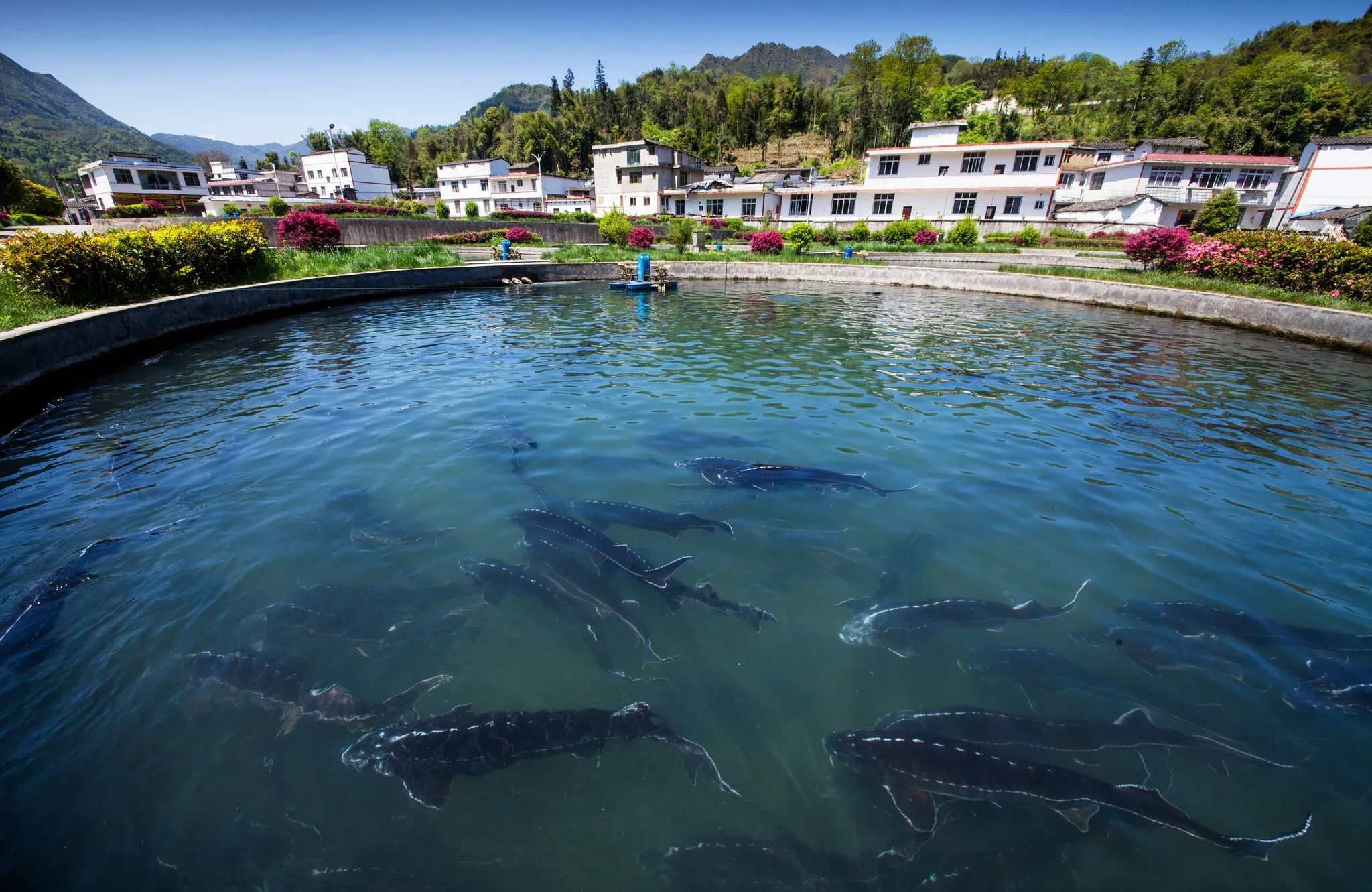
It starts in the hatchery. Our partner breeds its own fingerlings rather than buying fish in, which means every sturgeon's history is known from egg to harvest — the species, the age, and the water it grew in. The fish then take years, not seasons, to reach maturity in circular flow-through tanks.
When a fish is ready, the roe is graded, lightly salted the classical malossol way, and sealed into tins at a processing facility certified for export to the EU and the US — audit regimes among the strictest in food. The result is caviar that tastes clean and specific, because everything about it is.
Why farmed, not wild?
Sturgeon take years to mature and most wild populations are protected or banned from harvest. Modern caviar farming lets us enjoy the real thing while taking pressure off wild fish — it's both the responsible choice and the consistent one.
The short version of why we only sell farmed — side by side.
| Farmed caviar | Wild caviar | |
|---|---|---|
| Source | Sturgeon raised in managed aquaculture | Sturgeon caught from rivers and seas |
| Sustainability | Sustainable; eases pressure on wild stocks | Most species endangered; harvest largely banned |
| Legality | Legal and traceable | Restricted or illegal for most species |
| Consistency | Consistent flavour and supply year-round | Variable by catch and season |
| What we sell | Every Caviar Kitchen tin | Never |
From the farm to your door
Caviar is only as good as its cold chain. Ours is unbroken:
-
Mountain water
Sturgeon raised in snowmelt-fed tanks in Sichuan's valleys.
-
Tinned cold
Roe graded, malossol-salted, sealed at the certified plant.
-
Cold chain
Cold-packed and flown under refrigeration, never warmed.
-
Your door
Delivered chilled, species printed on the lid.
Our promise
The species is printed on every lid.
Kaluga Hybrid, Ossetra, Siberian Baerii, Schrenckii, Huso Dauricus — the name on the tin is the fish inside it. No "imported caviar", no mystery blend.
Match species to tins →Frequently asked
Where does Caviar Kitchen caviar come from?
From a partner group of sturgeon farms in the mountain valleys of south-west China, centred on Sichuan, farming since 2006. The fish grow in snowmelt-fed tanks, and the roe is tinned at a facility certified for EU and US export. The species is printed on every lid.
Is farmed caviar sustainable?
Yes — responsibly farmed sturgeon caviar is the sustainable choice. Wild sturgeon are endangered and most wild harvest is banned, so reputable caviar today comes from aquaculture, which takes pressure off wild populations while keeping the real thing on the table.
Is caviar from China any good?
Yes. Our tins are packed at a plant certified for export to both the EU and the US, which means recurring third-party food-safety audits to some of the strictest standards anywhere. China now farms more caviar than any other country, and its best tins are served in leading restaurants worldwide.
Is it legal to buy caviar from farmed sturgeon?
Yes. International caviar trade is regulated by CITES, the endangered-species treaty: legitimate shipments carry permits stating the species and its farmed origin. Farmed caviar exists precisely because wild sturgeon are protected — buying farmed, species-labelled tins is the legal, traceable way to eat caviar.
How fresh is the caviar when it arrives?
Tins leave the farm’s certified plant cold-packed and travel under an unbroken cold chain — refrigerated transport, air freight, chilled hand-off — until delivery. Lightly salted malossol caviar is made to hold its quality for weeks unopened and refrigerated, so freshness survives the journey comfortably.